
Group Programmes
12-Week Attachment-Focused Caregiver Programme
Parenting can feel incredibly hard - especially when your child has big emotions, intense reactions, anxiety, or struggles in relationships. If you sometimes feel exhausted, confused, or unsure about what will actually help…you’re not alone. This programme is a specialist, trauma-informed group for carers of primary school aged children who may have experienced trauma, attachment disruption, anxiety, emotional dysregulation, or relational challenges. This programme supports caregivers to help children move from surviving to trusting by strengthening safety, connection, and secure attachment. The focus is not on behaviour management techniques, but on deepening relational understanding and capacity.
Details:
Northern Gold Coast - TBC
6 x 2.5-hour sessions across 12 weeks.
Numbers are intentionally small (6–10 participants) to allow depth of discussion and relational safety.
Once the group is formed, membership is closed to maintain safety and trust.
$899 for all sessions (Medicare rebates possible with MHCP - see below)
This is a reflective, therapeutic group that offers a safe, supportive, and non-judgemental space for caregivers to:
Develop a deeper understanding of attachment and its impact on behaviour
Explore how trauma affects the developing brain and nervous system
Strengthen their ability to co-regulate and respond with connection
Reflect on their own caregiving experiences and triggers
Build confidence in responding to big emotions with empathy and boundaries
Connect with other caregivers who understand the complexities of parenting
This programme is informed by the principles of Dyadic Developmental Psychotherapy and PACE principles (DDP) and is based on the Foundations for Attachment programme developed by Kim Golding. DDP, developed by Dan Hughes, is an attachment-focused and trauma-informed model supporting relational healing. DDP is grounded in the understanding that:
Behaviour is communication
Connection must come before direction
Safety and relationship are the foundations for growth
Healing happens in relationship, not in isolation
Who This Programme Is For:
The group is open to parents, foster carers, kinship carers, and guardians.
While attachment principles are universal, lived caregiving experiences can differ significantly. To support psychological safety and depth of reflection, we carefully consider group composition before confirming placement.
In some cases, we may run separate groups (for example, foster/kinship carers and biological parents) to allow participants to speak openly about the unique systemic, relational, and emotional aspects of their role.
A short pre-group conversation helps us ensure the best possible fit for everyone.
This group may be particularly helpful for carers of children who:
Have big feelings that can feel overwhelming for them (or for you)
Present with anxiety, emotional dysregulation, or relational difficulties
Find it hard to calm down once upset
Reacts strongly to limits or boundaries
Has experienced early trauma, neglect, or attachment disruption
Are adopted, in kinship care, or foster care
Seem stuck in survival responses (fight, flight, freeze, or shutdown)
Struggle with trust, shame, or control
Seems sensitive, easily frustrated, or quick to shut down
Shuts down or withdraws
You can expect:
Psychoeducation grounded in attachment and neuroscience. (Practical, easy-to-understand information about attachment and the brain)
Guided reflection exercises
Group discussion and shared learning
Practical relational strategies you can apply at home
Gentle exploration of your own caregiving patterns
Space to share and learn from other caregivers
There is no pressure to share more than you feel comfortable with.
This is a warm, non-judgemental space. Parenting is hard enough without feeling criticised.
Is This Therapy?
This is a therapeutic and reflective group, but it is not individual therapy.
Before the group begins, we offer a brief conversation to make sure it feels like the right fit. If your family is experiencing acute crisis or significant safety concerns, we may recommend additional or alternative support.
Our Intention:
We want you to leave this programme feeling:
More confident
Less alone
More compassionate toward yourself
Clearer about how to respond to your child
Better able to lead with calm and connection
You do not need to be a perfect parent. You do not need to get it right all the time.
You just need support — and a space to grow.
Facilitators:
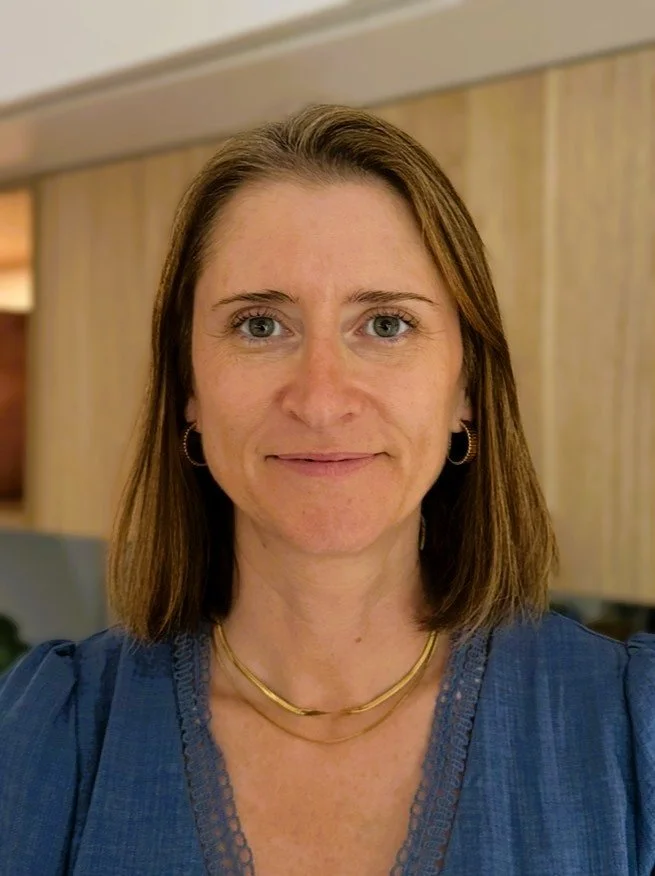
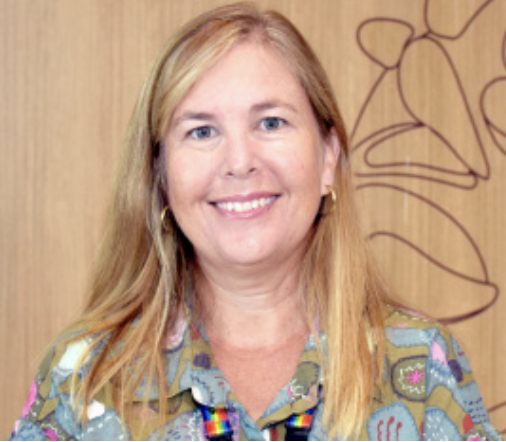
Katie Platts and Claire Walsh are both trained in L1 & L2 Dyadic Developmental Practice and facilitation training for the Foundations to Attachment program.
About Katie:
Accredited Mental Health Social Worker and Registered Play Therapist with experience in public and private mental health and NDIS settings. Specialising in trauma, attachment and child and youth mental health. I’ve been providing psychotherapy and mental health supports for over 18 years in diverse communities in Australia and Overseas.
About Claire:
Claire Walsh is an accredited Mental Health Social Worker with extensive experience supporting young people, families, and carers across both the public and private sectors. She works with clients on a range of complex issues, including co-occurring mental health and substance use concerns, loss and grief, trauma (including sexual assault, domestic and family violence, and childhood relational/developmental trauma). Claire has a breadth of experience facilitating therapeutic groups helping families build connection, coping skills, and resilience in a supportive, collaborative environment.
Medicare Rebates for Parenting Group
This group may be eligible for a Medicare rebate under the Better Access to Mental Health Care initiative when facilitated by an Accredited Mental Health Social Worker.
To claim a rebate, you will need:
A valid Mental Health Care Plan from your GP
A referral that includes group therapy sessions
A current Medicare card
Medicare provides rebates for up to 10 group therapy sessions per calendar year (1 January–31 December).
Current Medicare Rebates (2025-2026):
• 60–89 minute group session (MBS 80122): $26.35
• 90+ minute group session (MBS 80123): $37.30
Please note: Medicare does not cover the full cost of the group.
If you are unsure about your eligibility, please speak with your GP or contact us for further information.